


Luxury fashion is slowing down. Not everywhere, not all at once, but it’s happening. Quietly. The spotlight is shifting away from trend cycles and toward something more grounded. People are shopping with sustainability in mind. Where was this made? What’s in it? Am I going to wear it more than once?
At Bleusalt, we’ve asked those questions from the beginning. Before there was a finished piece, there was fabric. And before the fabric, there was a decision about what kind of fashion brand we wanted to build. How could a conscious luxury brand help build a more sustainable future? That’s how we landed on Tencel, otherwise known as modal, a sustainably produced fibre with a much lower carbon footprint than cotton.
You can feel it in everything we make. There’s a softness that’s hard to describe, a breathability that doesn’t require a second thought. It wears well. Washes well. Travels well. And it’s a core reason why we believe the future of the fashion industry is quieter, simpler, and rooted in how something feels (not just how it looks!)
What Eco-Luxe Actually Means
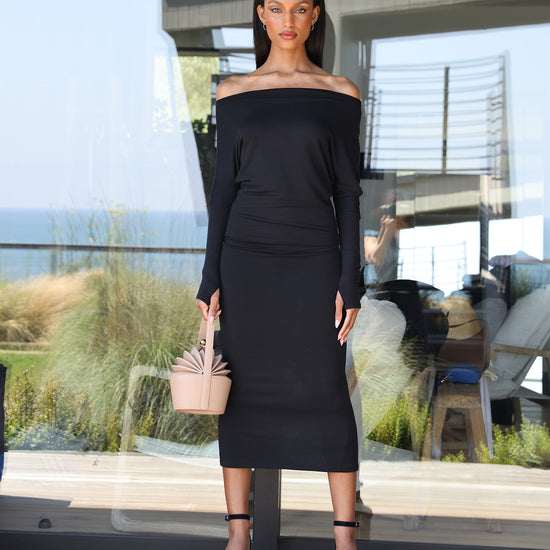
There’s a lot of talk about “eco-luxe fashion” brands these days. In our world, it means a small number of exceptional quality pieces made from the best fabrics. It means sourcing from trees, not oil. It means clothes that serve your life, not just your closet.
You won’t find flashing neon tags that say sustainable. You’ll find it in how the new fibres of a tee keep their elasticity after ten washes. Or how a cardigan folds up small in your suitcase and unfolds without a wrinkle. Or how you throw the same pair of joggers into your casual wear five different ways without thinking about it. That's real sustainability.
Eco-luxe clothes last longer, and that’s not an accident. Sustainable brands build them that way, like how Bleusalt blends sustainable Tencel materials with organic cotton that holds up over time. And we’ve seen what happens when you focus less on volume and more on feel. People wear the clothes. A lot.
Sustainable Fashion Choices With Tencel
If you’ve never worn Tencel, imagine the softness of your favorite worn-in tee, the stretch of your best leggings, and the weightlessness of linen, without the wrinkles. Now add durability. Now make it machine washable.
That’s Tencel. But how can it be more sustainable than traditional cotton production?
Traditional cotton production can waste a lot of water. Plus, harmful pesticides are often used to produce it. Organic cotton cuts down on a lot of these issues, but it will never be the most sustainable production method out there for textiles. But how is tencel more sustainable?
It starts with wood pulp. That wood pulp is produced through sustainable methods and processed in a way that recycles nearly everything used, from the water to the solvents. These responsible practices alleviate many environmental concerns about water waste from traditional clothing production. In fact, Tencel fibers use nearly 20 times less water to produce than conventional cotton!
The result is a smooth, breathable fibre that holds its shape and resists wear. Unlike cotton, it doesn’t stiffen. Unlike synthetics, it doesn’t trap heat or cling. It just moves.
And somehow, it adapts to whatever you’re doing. You wear it on a warm, breezy day and feel cool. You wear it on a flight and barely notice it. You could sit in it for hours, then get up and head to dinner without looking like you were curled on the couch.
Eco-Friendly Fabrics Matter
Some fabrics like polyesters, have a “wear once and wash” feeling. Tencel isn’t one of them. It’s the kind of material that makes it easier to get dressed because you’re not worried about what it’ll look like at the end of the day. It's ready to wear when you want.
It doesn’t wrinkle the second you sit down. Even after a full day of errands or an afternoon spent chasing the sun, it still feels good on your skin. That matters just as much as the raw material itself.
The Real Benefits Of Tencel
When something feels easy to wear, you actually wear it. But when you wear something often, traditional synthetic fibers break down. Tencel holds up. That's what really starts reducing waste in the fashion industry.
We also like that the Bleusalt fabrics offer different feels for different days. Signature is softly brushed on the inside, while Lite is lighter and silkier without the brushed interior. Here are some more details on each:
Signature Fabric
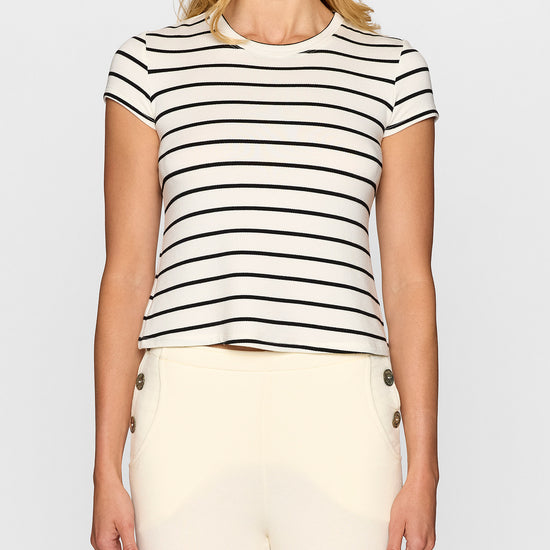
Bleusalt's signature fabric is the one we started with. It’s 95% modal and 5% spandex. That tiny bit of stretch makes all the difference. It wears like loungewear but looks pulled together. This is what you’ll find in staples like The Perfect T or The Women's Elevated Jogger. Whether it's a luxury fashion piece or casual wear, the signature Tencel fabric is highly versatile and give you endless possibilities for styling.
Bleusalt LITE
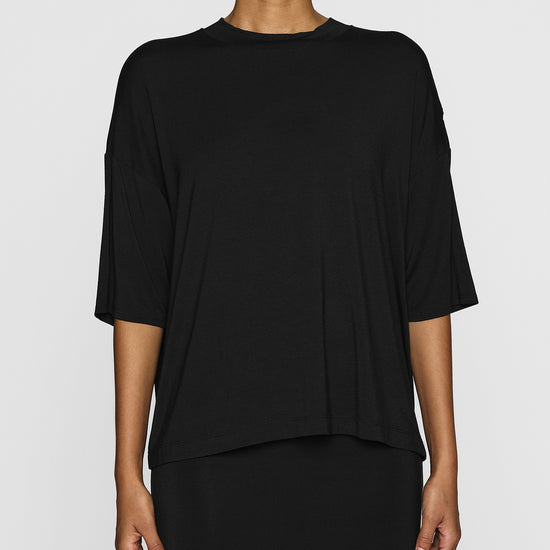
The LITE fabric from Bleusalt is our summer standby. It’s micro modal, so it’s silkier and even more breathable. If you live in a hot climate or just run warm, this fabric makes it feel like your outfit is floating. The Oversized T-Shirt LITE by Bleusalt is the kind of piece you forget you’re wearing because of this LITE fabric! And that’s the best compliment we can give.
Washing Shouldn’t Be A Chore
Bleusalt makes pieces that are built for the real world. Machine washable. Dryer friendly. No dry cleaning or extra steps.
Turn your garment inside out. Wash on delicate. Dry on delicate. Done.
Our dyes are OEKO-TEX Certified and made with 95% reactive and 5% disperse dye. Which basically means they’re safe, gentle, and built to last without fading or rubbing off.
You can pack them, spill on them, live in them; they’ll still come out of the wash looking like they belong on a hanger!
Why More Brands Are Choosing Sustainability
There’s pressure building, real pressure. Rising consumer demand for sustainable fashion. The environmental impacts of fast fashion are clear. It's coming from the cost of overproduction and the waste that synthetic fibres create. People are reducing their environmental impact through their purchases, and brands have to find new ways to lower their environmental impact if they want to meet this growing demand.
Textile waste is one part of the issue. Carbon emissions are another. But honestly, a big piece of the puzzle is just...fatigue. Consumers are tired of traditional wear that only looks good on the hanger or under a ring light. They want comfort that lasts past the first wear. Something that breathes and bends with their day, not against it.
Brands are catching up. Smaller collections. Slower drops. More visibility into how things are made. But fabric is the common denominator. And you can’t fake exceptional quality in your hands.
Endless Possibilities For Fashion Brands
More brands are realizing they don’t need to make a hundred things. They just need to do the right things. Eco-friendly collections that people want to wear over and over.
Tencel helps with that. It’s flexible, low-impact, and easy to build around. It doesn’t ask for much and gives back a lot. Designers like it. Shoppers love it. And for anyone trying to reduce their footprint without giving up comfort or style, it’s a solid place to start.
At Bleusalt, we’re not guessing where sustainable fashion brands are going. We’ve been moving in this direction since day one. That’s not going to change.
TENCEL™ FAQs
How does Bleusalt use TENCEL™ fabric to promote sustainability in luxury fashion?
Bleusalt chooses TENCEL™, a sustainable fibre with a much lower carbon footprint than cotton, to create soft, breathable, and durable fabrics that wear well and wash well, reflecting their commitment to slow down luxury fashion and focus on eco-luxe quality.
What are the specific benefits of Bleusalt's Signature and LITE fabric options for different seasonal and style needs?
Signature blends 95% modal with 5% spandex and has a softly brushed interior. Lite is lighter and silkier without the brushed inside. Choose the weight and feel you prefer, then check the composition and care details for each piece.
Why is TENCEL™ considered more eco-friendly than traditional cotton, and how does it impact the durability and comfort of clothing?
TENCEL™ is produced from sustainably sourced wood pulp using processes that recycle nearly all water and solvents, using about 20 times less water than conventional cotton. This results in a breathable, smooth fiber that holds its shape, resists wear without stiffening, adapts to different conditions, and maintains comfort through long wear and multiple washes.